Illegal Bikes E-Bike vs E-Moto: How to Tell Them Apart
Pedals, power, speed cutoffs, and registration lines that separate bicycles from motor vehicles.
Why the comparison matters
Retail pages, social clips, and holiday gift lists often use “e-bike” for machines that behave like electric motorcycles. Parents hear bicycle. Teens hear top-speed screenshots. Officers hear an unregistered motor vehicle on a shared path. Illegal Bikes Files treats the e-bike versus e-moto split as the central identification problem for US riders in 2026.
A legal class e-bike is still a bicycle under most state codes when it stays inside power and speed envelopes. An e-moto—sometimes sold with decorative pedals—usually needs motorcycle or moped treatment: licence, registration, insurance, and equipment rules, if on-road use is allowed at all. Confusing the two is how families buy a seizure risk. Pair this guide with how to identify, the US class system, and the legality checklist.
The US class e-bike baseline
Most three-class states describe an electric bicycle with fully operable pedals and a motor at or under about 750 watts continuous rated power:
- Class 1 — pedal assist only, motor help cuts at 20 mph
- Class 2 — throttle allowed, motor propulsion cuts at 20 mph
- Class 3 — pedal assist (in most states), help cuts at 28 mph, often with age and helmet rules
Federal consumer language for a low-speed electric bicycle also stresses operable pedals, a motor under 750 W, and motor-alone speed under 20 mph in a specified test. Exact wording varies by state—“not more than” versus “less than” 750 W—so always read the statute that covers your roads. Details live on the US class system page.
What an e-moto usually looks and acts like
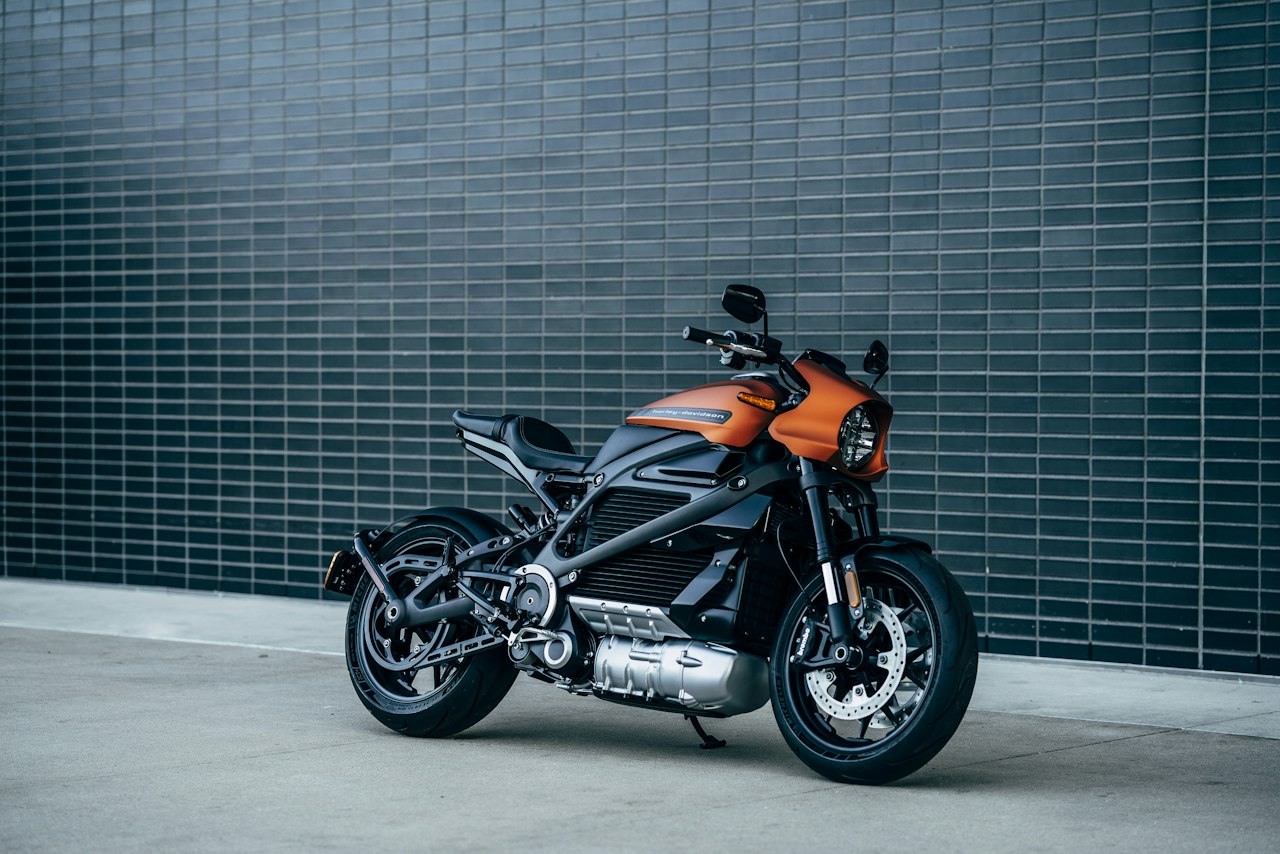
E-motos commonly show a motorcycle silhouette: bench seat, thick tyres under 24 inches, heavy frames built around large battery packs, and foot pegs instead of pedals that can usefully drive the bike. Controllers may advertise peak outputs of 1,000–6,000 W or more. Throttle propulsion can exceed 20 mph without pedalling. Unlock menus labelled “off-road,” “race,” or “unlimited” may raise street limits after purchase.
PeopleForBikes and multiple police explainers repeat the same warning: pedals bolted onto a motorcycle frame do not create an e-bike. If the machine can cruise at car-like speeds on throttle alone, treat it as an e-moto until a trusted authority says otherwise. Visual tells and listing red flags are expanded in how to identify and the marketplace checklist at listing red flags.
Pedals versus pegs
Ask whether pedals can propel the vehicle without motor power. On a real e-bike, you should be able to ride it as a heavy bicycle if the battery dies. On many e-motos, “pedals” are short crank stubs or fold-down pieces that cannot drive the wheel in normal use. Foot pegs and a fixed motorcycle seat height are stronger signals that the designer expected throttle-first riding.
Dealers sometimes claim private-land or “off-road only” disclaimers. Those phrases do not legalise public-road riding when the capable configuration exceeds class limits. Enforcement agencies look at what the machine can do on the street, not only at the brochure’s optimistic class sticker.
Speed cutoffs and registration
Stay inside bicycle rules and you typically avoid registration, motorcycle endorsements, and insurance mandates that apply to mopeds and motorcycles—though cities can still ban Class 3 on certain paths or set local sales rules. Cross the line and you enter motor-vehicle territory. Some popular e-motos cannot be registered for public roads in certain states at all; they remain private-property or track machines even if a seller called them Class 2.
California’s 2026 consumer-protection wave, including SB 1167 signed in September 2026, tightens how devices may be advertised and labelled as e-bikes versus mopeds or higher-powered electric devices, with sales and labelling clarity phasing in around January 2027. See California rules and broader US crackdowns.
Buying without guessing
- Demand continuous rated watts, not only peak.
- Get written assist and throttle cutoffs that match Class 1, 2, or 3.
- Reject unlock menus that break those cutoffs.
- Photograph class labels and serials before you leave the shop.
- Confirm age, helmet, and path rules for the intended rider.
Use how to buy a legal e-bike for the shopping workflow and parent safety before any teen gift. Skim news so you know which product patterns agencies are targeting this season.
Common myths
- “It has pedals, so it is an e-bike.” — Not if power, speed, or throttle rules fail.
- “A Class 2 sticker legalises any throttle speed.” — Stickers do not override controllers.
- “Off-road mode is fine if I only use it on dirt.” — Roadside checks care about capable configurations on public ways.
- “Marketplace shipping equals compliance.” — Cities have sent cease-and-desist letters to online sellers for a reason.
How this guide fits the archive
Identification narrative: how to identify. Statute map: US class system. Quick prompts: legality checklist. Marketplace language traps: listing red flags. Family rules: parent safety. Dated enforcement: updates.
This page summarises publicly reported definitions for education. It is not legal advice. Confirm with your state vehicle code, municipal DOT, and insurer before the first public ride.
Frequently Asked Questions
Quick answers drawn from the guides and law pages.
Do pedals automatically make a machine an e-bike?
No. Pedals must be capable of propelling the vehicle, and the motor must still meet power and speed class rules. See how to identify.
What US speed cutoffs should I remember?
Class 1 and 2 commonly cut motor help at 20 mph; Class 3 pedal assist commonly cuts at 28 mph, with motors around 750 W or less.
When does registration usually apply?
When the machine leaves the bicycle class—over-watt motors, over-limit throttle, or assist past class caps—it is generally treated as a moped or motorcycle if on-road use is allowed.
Where should I shop next?
Follow how to buy a legal e-bike and run the legality checklist.